If there is one place in Rome that embodies the magic of the Eternal City, it is the Trevi Fountain. Immortalized in cinema, shrouded in legends, and the guardian of an ancient tradition, this extraordinary Baroque masterpiece attracts millions of visitors every year. But beyond its beauty, what secrets does it hold? Join me on this journey through history, curiosities, and tips to fully enjoy its unique atmosphere.
A Baroque Masterpiece with a Long History
Designed by architect Nicola Salvi in 1732 and completed by Giuseppe Pannini in 1762, the Trevi Fountain is a true Baroque gem. Its name derives from the ancient toponym “Tre Vie,” referring to the three streets that converged at this spot in ancient Rome.
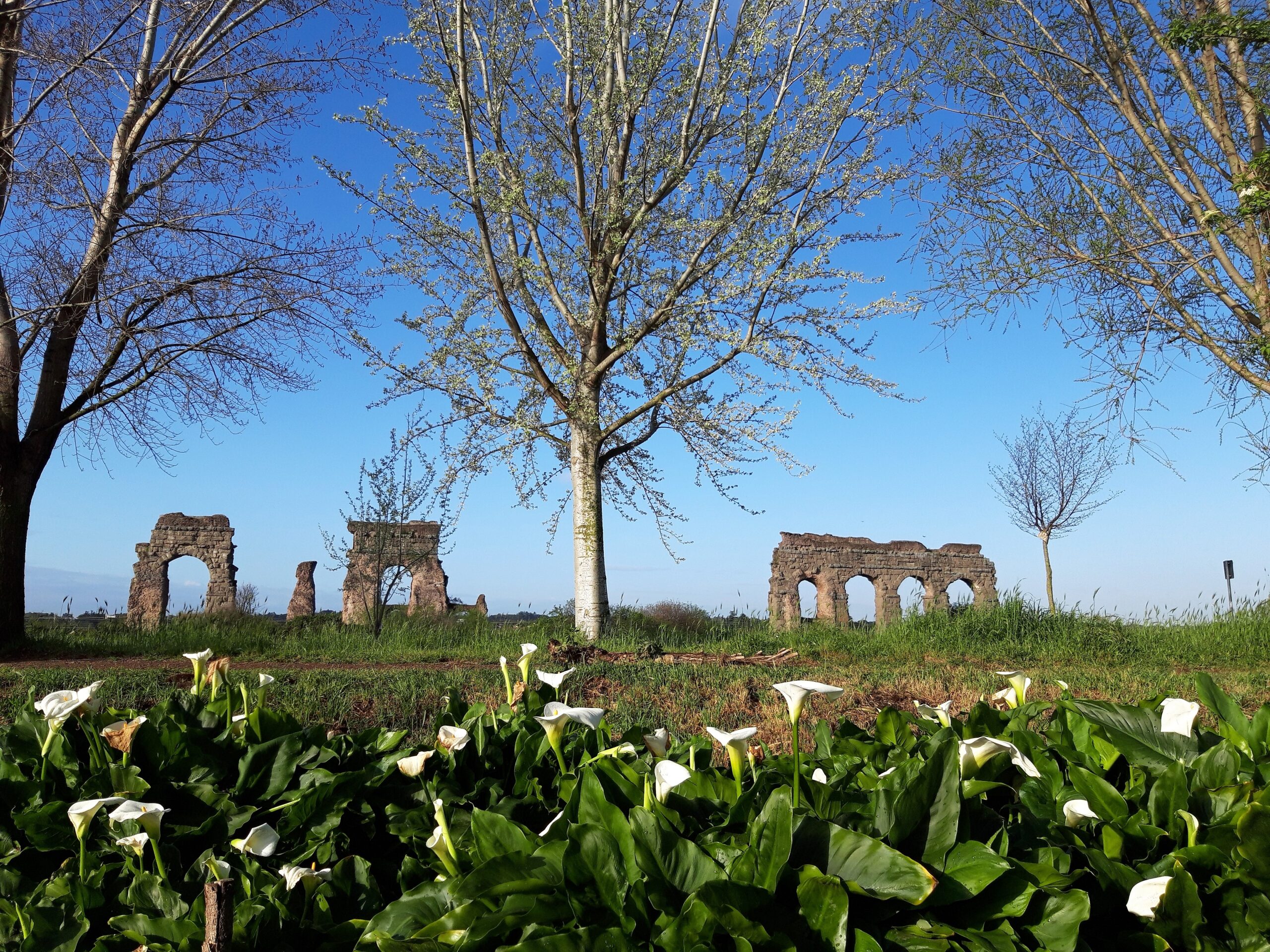
The fountain marks the endpoint of the Aqua Virgo aqueduct, one of the aqueducts built by the ancient Romans to bring fresh water into the city. This aqueduct was inaugurated in 19 BC by order of Marcus Vipsanius Agrippa and, incredibly, still supplies water to the fountain today.
The legend of the Virgin
The name of the aqueduct is linked to a legend: it is said that a young virgin guided Agrippa’s soldiers to the location of the springs, enabling the construction of the aqueduct. This episode is depicted in the reliefs on the Trevi Fountain.
The historian Sextus Julius Frontinus, in his treatise De aquaeductu urbis Romae, meticulously described Rome’s aqueducts, including the Aqua Virgo. Written in the 1st century AD during Emperor Nerva’s reign, his work is a valuable source for understanding Roman hydraulic engineering and the vital role of aqueducts in daily life.
The Aqua Virgo is the only ancient aqueduct in Rome still in operation, supplying several monumental fountains in the city, including the Trevi Fountain. Its water comes from springs located about 20 km from the city, in the Salone area along the Via Collatina.
Want to experience the Trevi Fountain without the crowds?
Avoid the tourist traps and see Rome’s highlights at their best. Join me for an exclusive, private walking tour in fluent English tailored entirely to your pace. No hidden agency fees-just direct, secure booking via Stripe with flexible cancellation.
The Aqua Virgo Aqueduct and Its Remains in Rome
Several sections of the aqueduct are still visible in Rome. Some of the most significant remains include:
- Via del Nazareno: A section of the underground aqueduct is visible in a semi-basement space, occasionally open to the public.
- The Pantheon and Piazza della Rotonda: The fountains in this area are fed by the same Aqua Virgo water.
- Villa Medici: The villa’s gardens contain some cisterns and remains of the aqueduct’s conduits.
- Rinascente Building (Via del Tritone): The basement of this commercial building houses a well-preserved section of the aqueduct, accessible during store hours.
The Monumental Construction of the Fountain
The idea of building a grand fountain at this location dates back to the Renaissance when Pope Nicholas V, in the 15th century, promoted restorations to revive the Aqua Virgo aqueduct. However, the project that led to the construction of the current Trevi Fountain took shape only in the 18th century under Pope Clement XII.
In 1730, the pope launched a competition for the construction of the monumental fountain. Among the submitted designs, Nicola Salvi‘s was chosen. With his imposing and theatrical Baroque style, he transformed the fountain into an iconic work of art. Construction began in 1732 and continued for over thirty years, facing numerous delays due to the complexity of the work and changes in the papacy.
Unfortunately, Nicola Salvi did not live to see it completed, and it was Giuseppe Pannini who finished the work in 1762 under the pontificate of Clement XIII. The fountain was inaugurated with great splendor, immediately becoming one of the most admired symbols of Rome.
Description of the Trevi Fountain
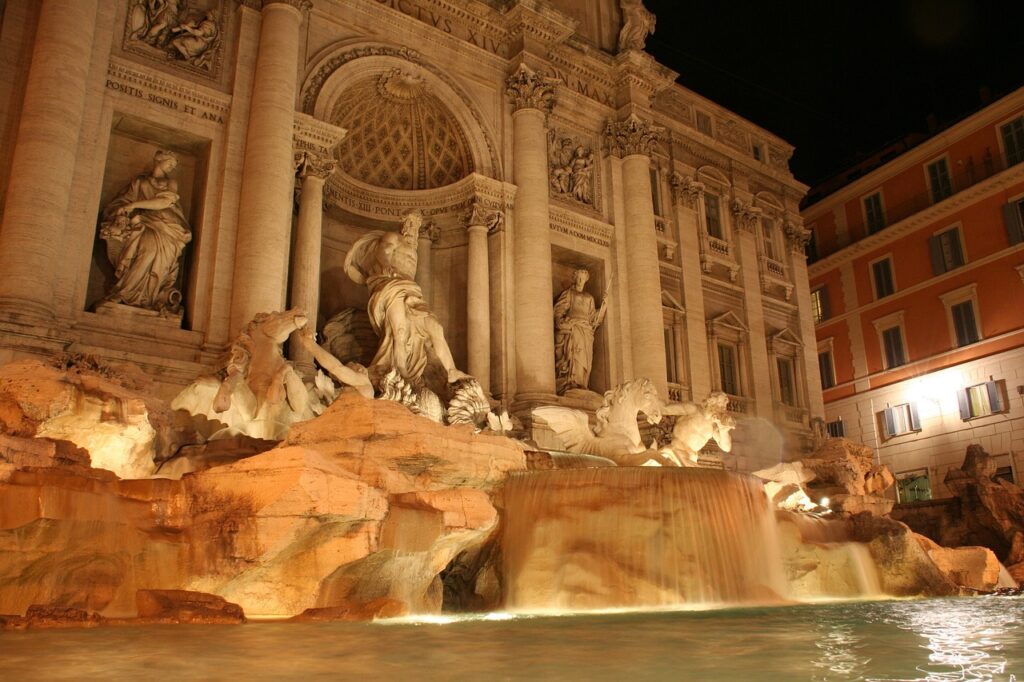
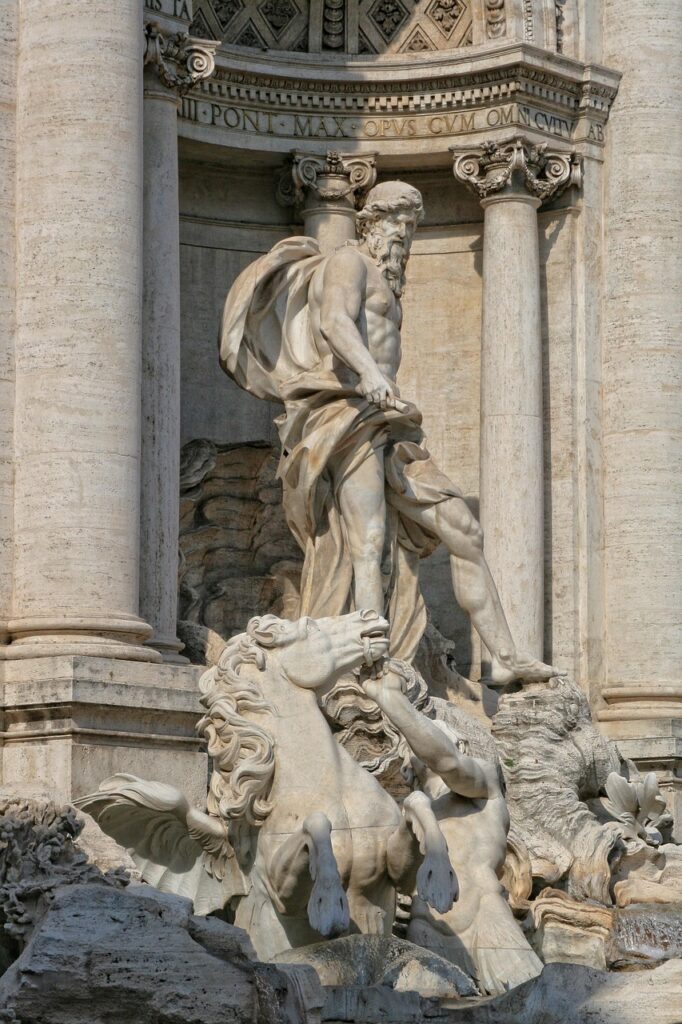
The Trevi Fountain is set against the grand façade of Palazzo Poli and features a majestic scene dominated by the statue of Oceanus, the god of the sea, emerging on a chariot pulled by sea horses and guided by tritons. The horses represent the dual nature of the sea: one is restless, the other calm, symbolizing the varying moods of the water.
On either side of Oceanus stand two allegorical statues: one represents Abundance, the other Health, both connected to the theme of pure water that the Aqua Virgo has always provided. Below them, niches contain reliefs depicting the history of the aqueduct, including the moment when a virgin pointed out the source to the Roman soldiers.
The water cascades down into a large basin below, creating a breathtaking spectacle, further enhanced by the fountain’s illumination at night.
Why Throw a Coin in the Trevi Fountain?
Tradition and Meaning: The act of tossing a coin into the Trevi Fountain transcends being a mere tourist activity; it is a ritual steeped in tradition and imbued with hope and legend.
Coin Toss Significance:
- The first coin is a pledge for a return to Rome, a symbolic gesture reflecting the visitor’s desire to revisit this historic city.
- The second coin signifies the hope for romance, tapping into the romantic aura that envelops Rome.
- The third coin is thrown with the wish for marriage, further entwining the visitor’s personal aspirations with the magic of the Eternal City.
The Ritual:
There’s a specific way to participate in this tradition. One should stand with their back to the fountain, and toss the coin over the left shoulder using the right hand. This method adds a ceremonial touch to the act, enhancing its symbolic meaning.
How to visit and when is the best time?
One of the most iconic places in Rome is undoubtedly the Trevi Fountain. With the advent of mass tourism, the municipality of Rome has recently had to take precautions in order to preserve the monument and make the visit more pleasant for the thousands of people who every day prepare to descend the steps to admire it up close, immortalize the magical moment with a souvenir photo and above all to throw the traditional lucky coin in it.

Find out information about how to access to the Trevi Fountain on my blog.

From 2 February 2026, new rules for visiting the Trevi Fountain will come into force: tourists and non-residents will have to purchase a €2 ticket to access the inner perimeter of the fountain. Ticket purchase methods can be found on the website www.fontanaditrevi.roma.it Access remains free for residents of Rome or the Metropolitan City, children under 6 years of age, disabled people with a companion and tourist guides.

Visiting hours: Mondays and Fridays from 11:30 a.m. to 10 p.m. (to allow for coin collection operations) The remaining days from 9 a.m. to 10 p.m. Free access from 10 pm.

During the high season I suggest to go to the Trevi Fountain early in the morning or late at night.
Discover Rome with Me!
If Rome’s history and curiosities fascinate you, there is no better way to explore the city than with a knowledgeable local guide. Check out all my tours on my website and let me take you through the hidden treasures of the Eternal City!
Book your Squares and Fountains of Rome tour right now!